
The Untamed Creativity of a Niche Perfumer
Forget perfumes from major labels with over-the-top advertising campaigns, now we dive deep into the fascinating world of niche perfumes.

Hey Dear,
Currently, the sun is bright, bees are busy buzzing and nature is spreading out in its most beautiful splendour – this includes the taste of various flowers in their bloom. A gush I breathed in this morning brought up a pre-pandemic memory in myself.
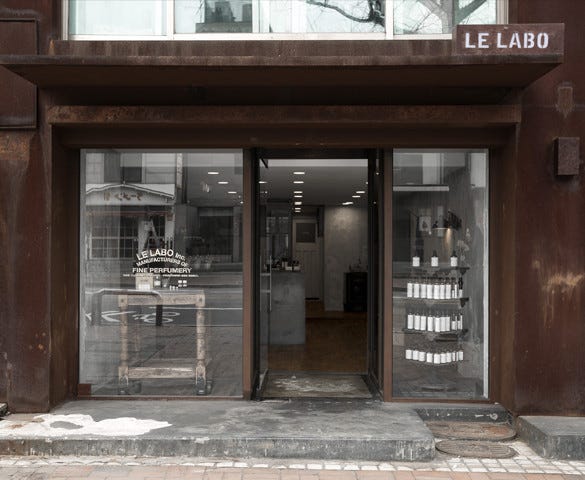
Daily in London, I rushed down a grey, dreary street packed with my co-workers' coffee orders from this super-hip barista. In the hustle and bustle of the packed street, however, one place managed to stand out: a small place decorated in black and white. The bright light and cold metal furnishings combined with the natural wood floor created an inviting aura. It seems as if the shop doesn't care whether you come in or not, but if you do, then you should be ready for the insane but stylish scientists.
To not put you guys on the rack – the place is called Le Labo and is not a small fish in the pond of the hip and pretty.
From Tokyo Over Copenhagen to Cape Town
The bathroom shelf of a hip big-city dweller cannot be imagined without them and in concept stores they are almost part of the decoration – niche perfumes are the glamorous edgy kids of the multi-million dollar fragrance industry. Niche scent like Le Labo, Byredo or Jo Malone focus on their complexity, which is expressed through notes and fragrance profiles, rather than selling an idea or a concept. The creators of the fragrances are the spitting image of renowned tailors or talented creative directors who work in the shadows of the spotlight.
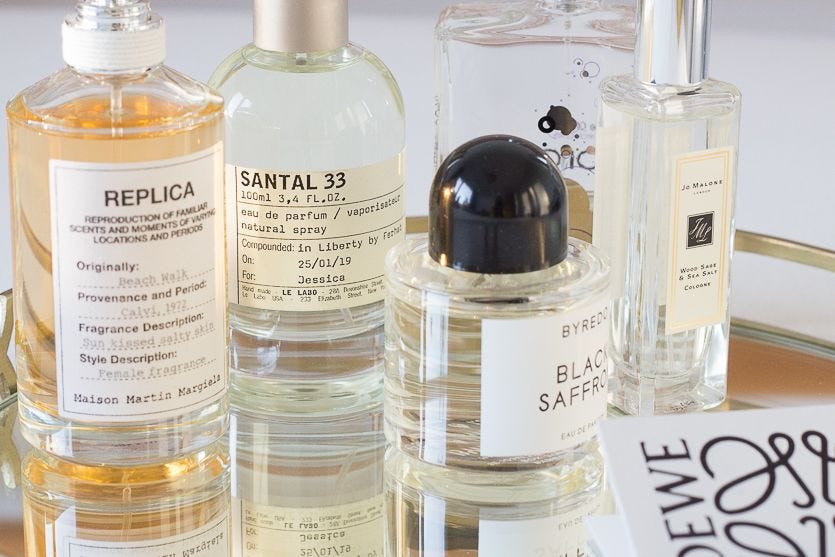
Supported by the fashion industry, Niche scents have established themselves in recent years. Le Labo has gone from being an insider's tip to having shops in Hong Kong, Tokyo, Dubai, Copenhagen, Amsterdam, Moscow, Cape Town and other cities. The demand for the complex and extraordinary fragrances has tripled in the last decade, but which brands have paved the way for niche perfumes into customers' bathrooms?
The First Mover
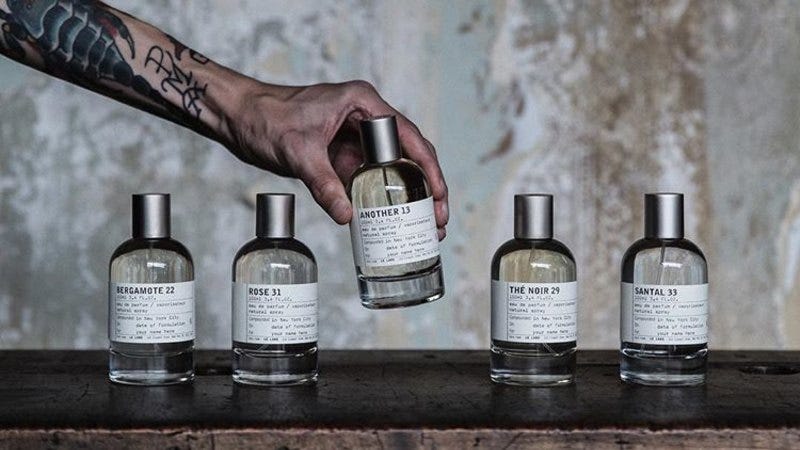
Chances are, if you're the slightest bit interested in perfume, you've heard of this brand – and if you haven't, but you sometimes interact with fellow humans, you've had the taste of Santal 33 in your nose. The brand's high-flyer has had a stellar debut and is the modern cause of niche perfumes succeeding at the commons.
Le Labo is now one of the giants of niche perfume and the house – which, contrary to expectations, is not French but American – has made a name for itself thanks to its hipster-chic ultra-dark boutiques in the trendiest boroughs of the metropolises. Initially launching just 10 fragrances and one candle, the company has amassed a diverse ensemble of 32 perfumes and countless fragrance products, all at a ridiculously high price range: a 100ml bottle of Le Labo costs $225. However, they have still managed to place the artistry and innovation of the scents in such a way that fragrance lovers as well as laymen are willing to pay the price.
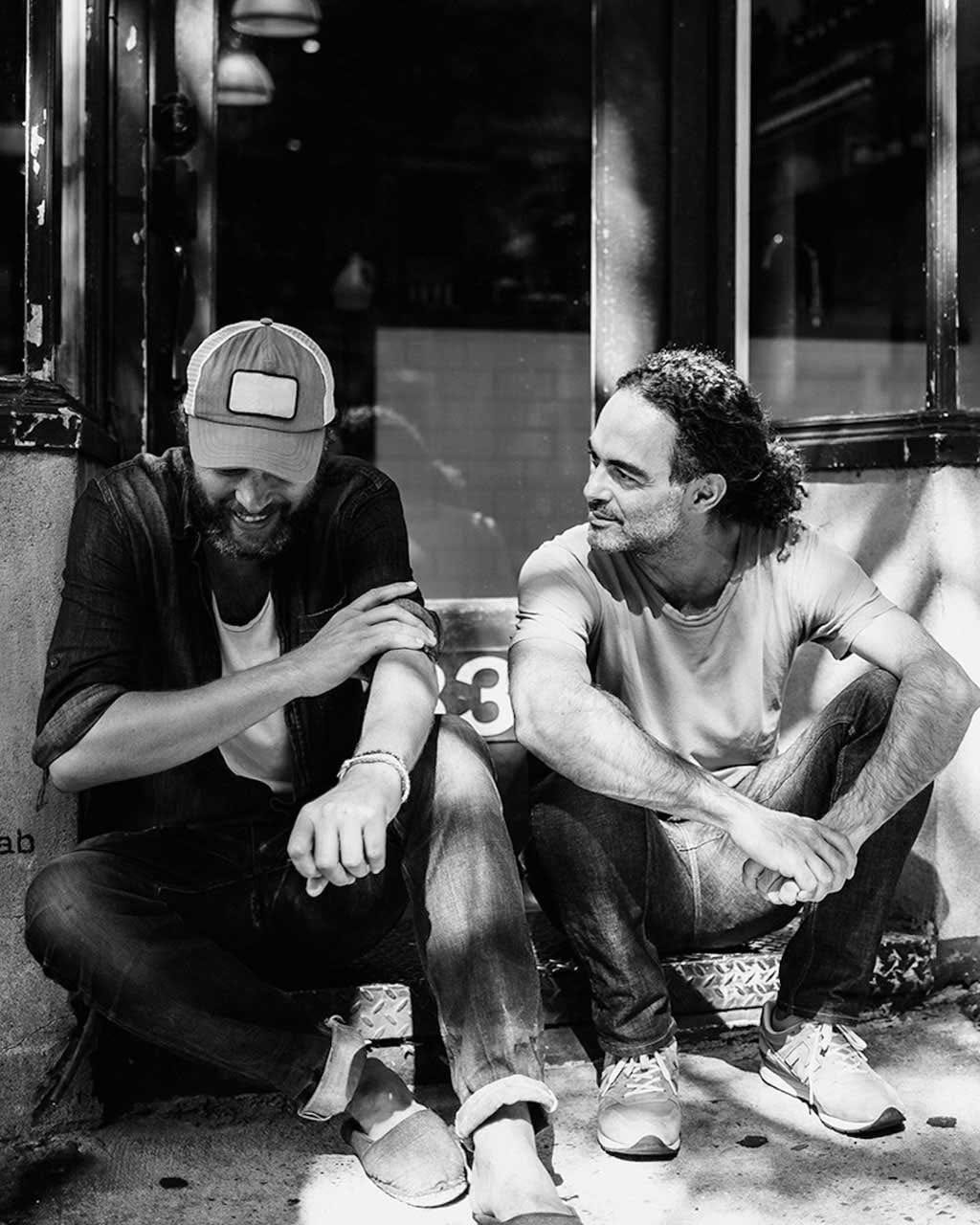
Back in 2006, when the founders Fabrice Penot and Edouard Roschi felt robbed of their creativity at Armani, they decided to launch their own brand and were able to make the ideal marketing decisions: Even though they didn't send critics samples, nor did they run classic advertising campaigns, they were able to land the hit within a few months through social media, word-of-mouth recommendation and a small planned article in the W-Magazine. Another factor is the appearance, which we are familiar with from all kinds of niche perfumeries. Customers feel extra special, luxurious and exclusive. The shops create a feeling as if you were in a members' spa in the Hidden Hills – means that customers feel like a part of an exclusive members club and Le Labo wants to sell that membership. They want to sell a cult perfume and the clientele wants to be part of the cult. It’s as easy as that.
Roschi and Penot knew exactly that their project would fill a gap in the perfume market and open up huge opportunities. Penot expressed it quite simply in an interview:
«It was simply a business model with its own point of sale with an expensive price and an environment and aesthetic that did not fulfil all the characteristics of the usual perfume business model. It was not reasonable for anyone. And that's exactly why it makes sense.»
The Cunning Move Of the Old Lady
However, it is quite clear that Le Labo did not invent creativity. Rather, they have systematically taken existing companies as inspiration, picked out the bits that work best and supplemented them with clever marketing. One brand that was firmly a role model is Jo Malone.
Back in 1991, Jo Malone launched her first scent called Nutmeg & Ginger and shocked customers. After the industry was dominated by lush perfumes with incomprehensible names, the strategy from the British house was most welcome. Their fragrances smell of nothing but fresh nutmeg and a hint of ginger for a scant two hours and then it's gone. The purity, freshness and minimalism surprised and impressed the clientele: poison and opium were out and simplicity was in. People wanted to buy fragrances that smelled like what they were called.
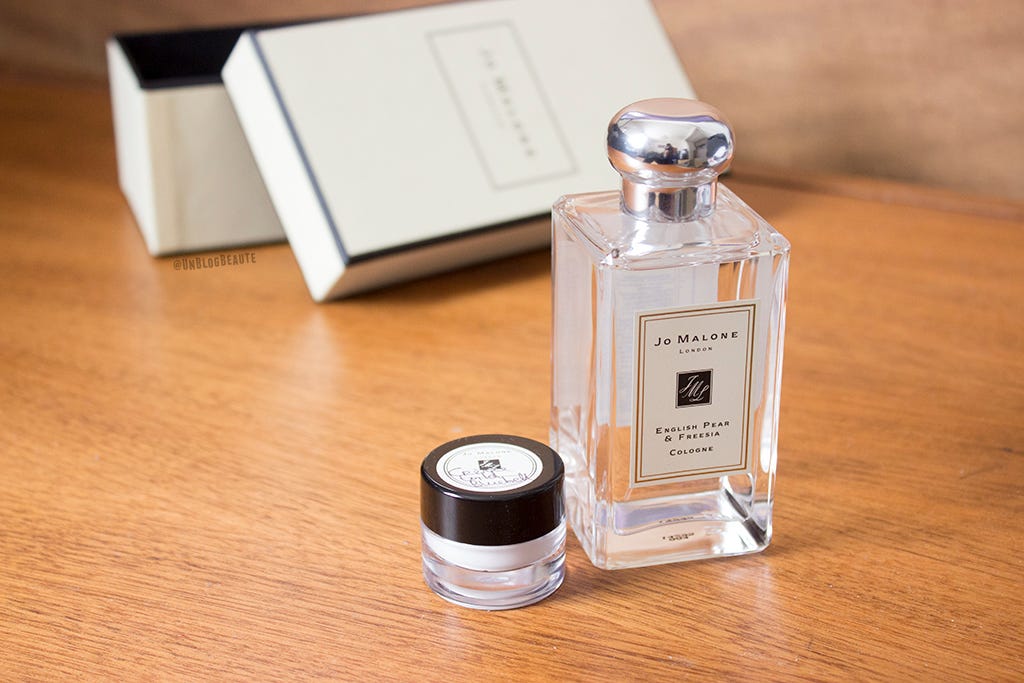
Malone made an impressive start in the tough industry and shortly released the scents Grapefruit (1992), Vetyver (1996) and her gem Lime Basil and Mandarin (1999). The Brit dominated the perfume house business in the 1990s, opening a headquarters in a glamorous historic Georgian townhouse in Marylebone, throwing countless beloved VIP parties and setting up flagship stores on the world's major shopping streets. This success did not go unnoticed by the big corporations and in 1999 the beauty group Estée Lauder bought the brand. However, the successes could not be repeated and a few sober years followed for the company. The brand was outshined by the massive advertising campaigns of the other labels and was not able to enjoy the expected success on the international stage. They kept their head above water with the British market and mulled over the strategy for a return to the top.
In the end, however, there was no need to devise anything extraordinary: Just as Le Labo benefited from Jo Malone's set-up and approach, so too could the British perfumery benefit in reverse. When the Le Labo bottles were suddenly in every hip bathroom, the demand for the very similarly structured Jo Malone was there again. By opening a few stores near the Le Labo flagships and presenting themselves digitally in the same light, they were back at the top of the niche perfume wave and could finally build on their earlier successes.
The Underdog Among the Underdogs
A true hidden gem among Niche perfumeries is the talented Frédéric Malle. He started his project 20 years ago, selected the best noses in the world and launched six unusual and surprising fragrances. The collection of the – probably – first Niche perfumery convinced with unusual and appealing bottles filled with unique fragrances created by various perfumers who get their credits prominently on the bottle.
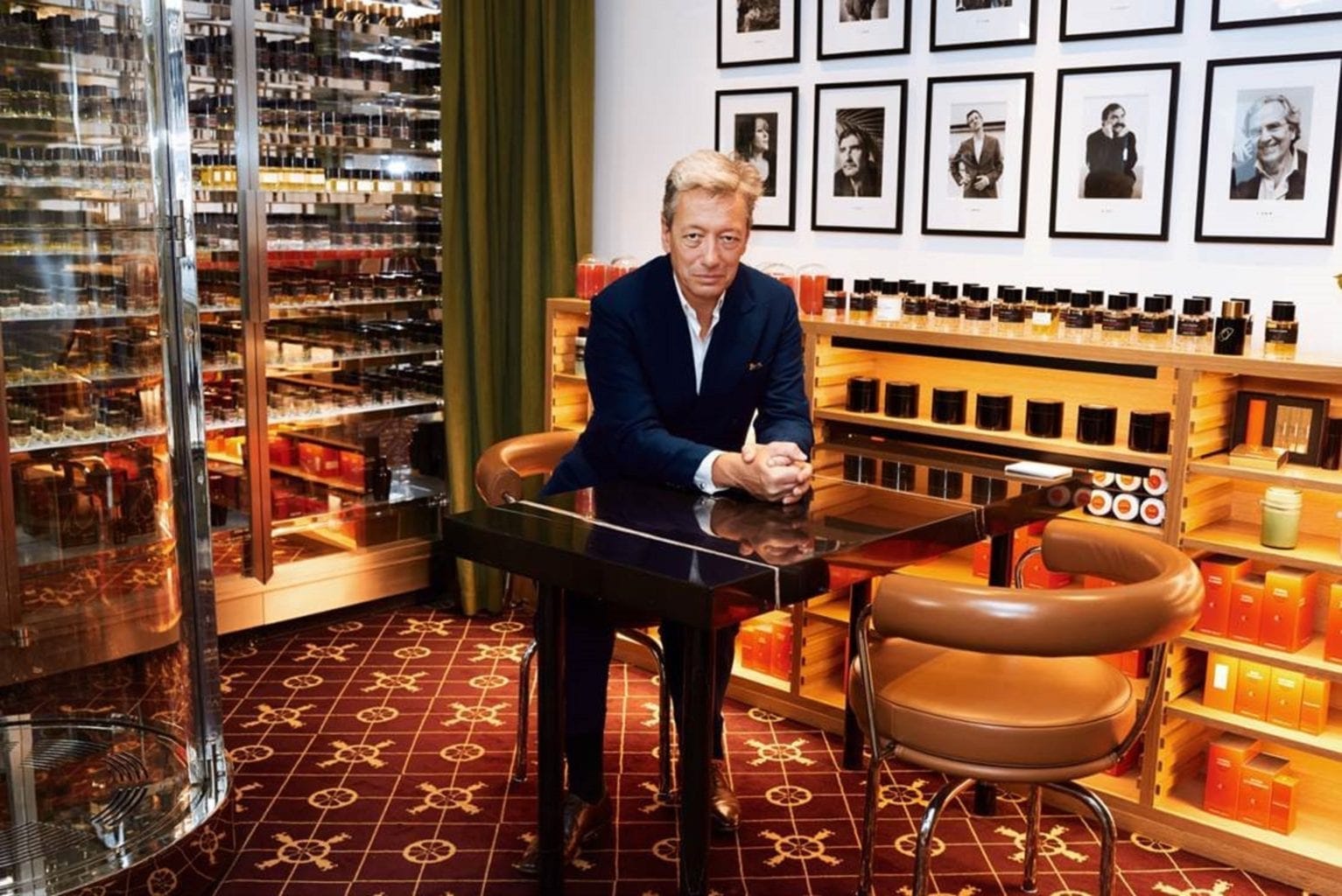
Among experts, there is a claim that Malle rescued the industry from a very uncreative and unfortunately still existing malaise. The market was flooded with unnaturally sweet and too lush fragrances created by large corporations. These companies teamed-up with the same five leading fragrance laboratories and had scents created on the basis of a very strict briefing – the romance of perfume seemed to be dead. The talented Frenchman also noticed this dilemma, probably because friends of his refused to wear perfumes. In an interview, he described the situation thus:
«Perfumers were getting angrier and angrier because they weren’t working with people they respected. They preferred brands where those who knew the business really well had been replaced by those who had been selling cat food and knew nothing about perfumery. Then, there were friends of mine in publishing, in the art world, in cinema, in Paris who weren’t wearing perfume any more, because it meant choosing between smelling like their grandparents and their wonderful Guerlain fragrances.»
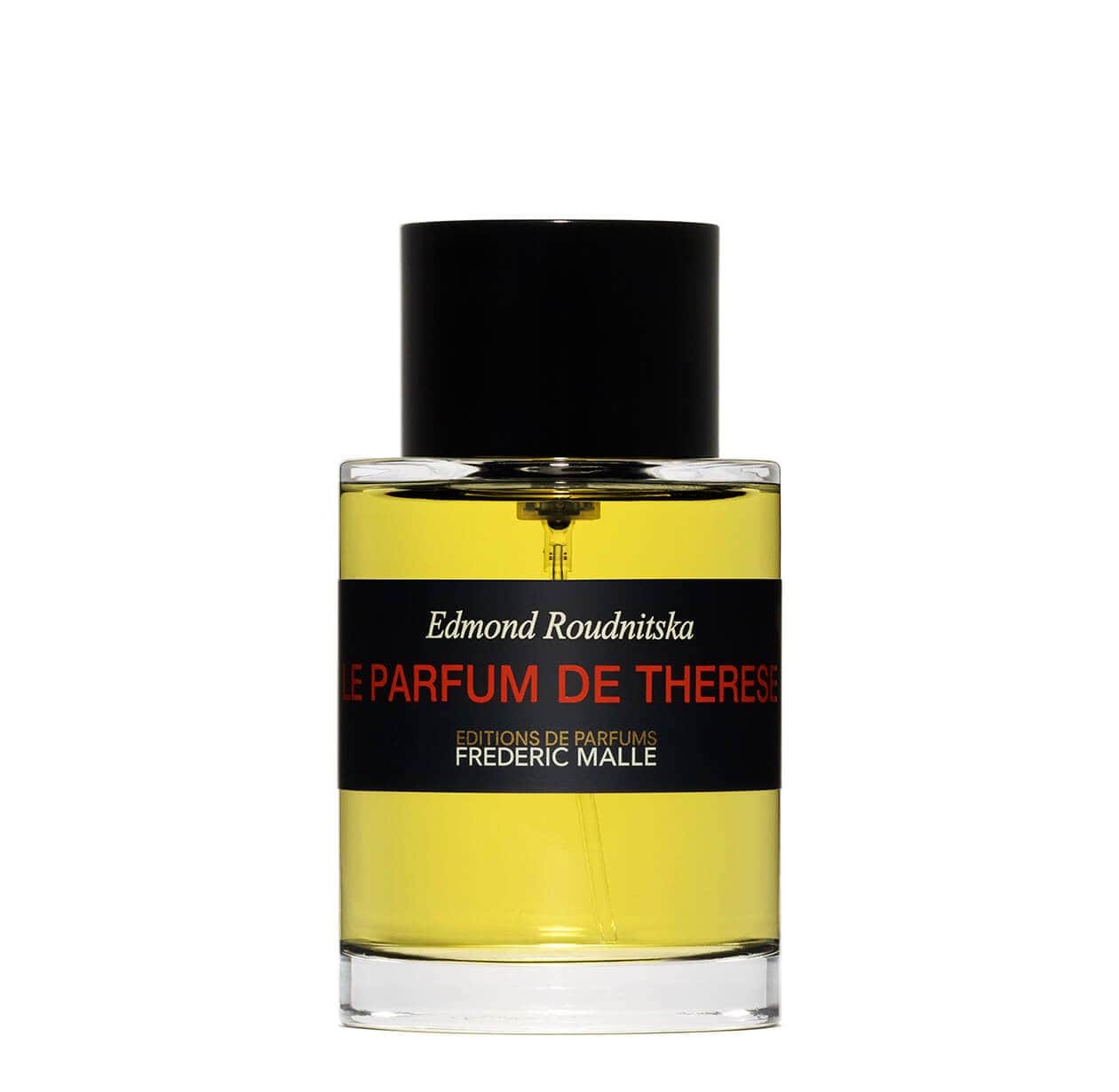
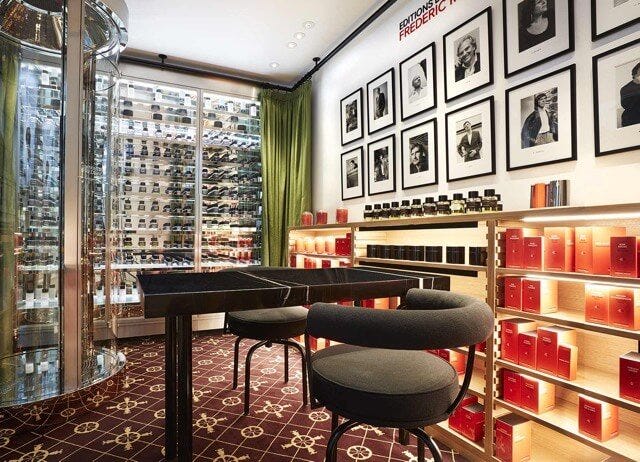
Since then, the Editions De Parfums Frederic Malle brand has been able to consolidate a clear position in its very select group of customers. Among creatives, artists, fashion enthusiasts and fragrance connoisseurs, the French house is an undisputed number that can be smelt at plenty of scene events. Part of it is certainly the complex system: Frederic Malle likes to put the real creator of his fragrances in the foreground, is known for collaborations with names like Dries Van Noten and has incredibly clear and natural scents to offer. On the other hand, the member-club feeling, which we already know from the other Niche perfumeries, also plays an essential role: when you enter a shop of Editions De Parfums Frederic Malle, you feel like you are shopping at an exclusive Swiss watch brand. The customer experience is taken very seriously and they genuinely want to find the right scent for each customer.
To sum up, the Editions De Parfums Frederic Malle brand with its 32 different fragrances is a subject that we will certainly address in detail another time – because a genuine pioneer also deserves his attention.
A Marvellous World on Its Own
Niche perfumes are an incredibly fascinating and reassuring development in the capitalist-driven perfumery industry. Of course, I could not mention here important brands like Byredo, Zarkoperfume, Ormaire and Maison Francis Kurkdjian, which have also taken a crucial position in the rise of niche perfumery. But do head to your trusted perfumery and start testing your way through – you won’t regret, promise.
Love,
Pascal